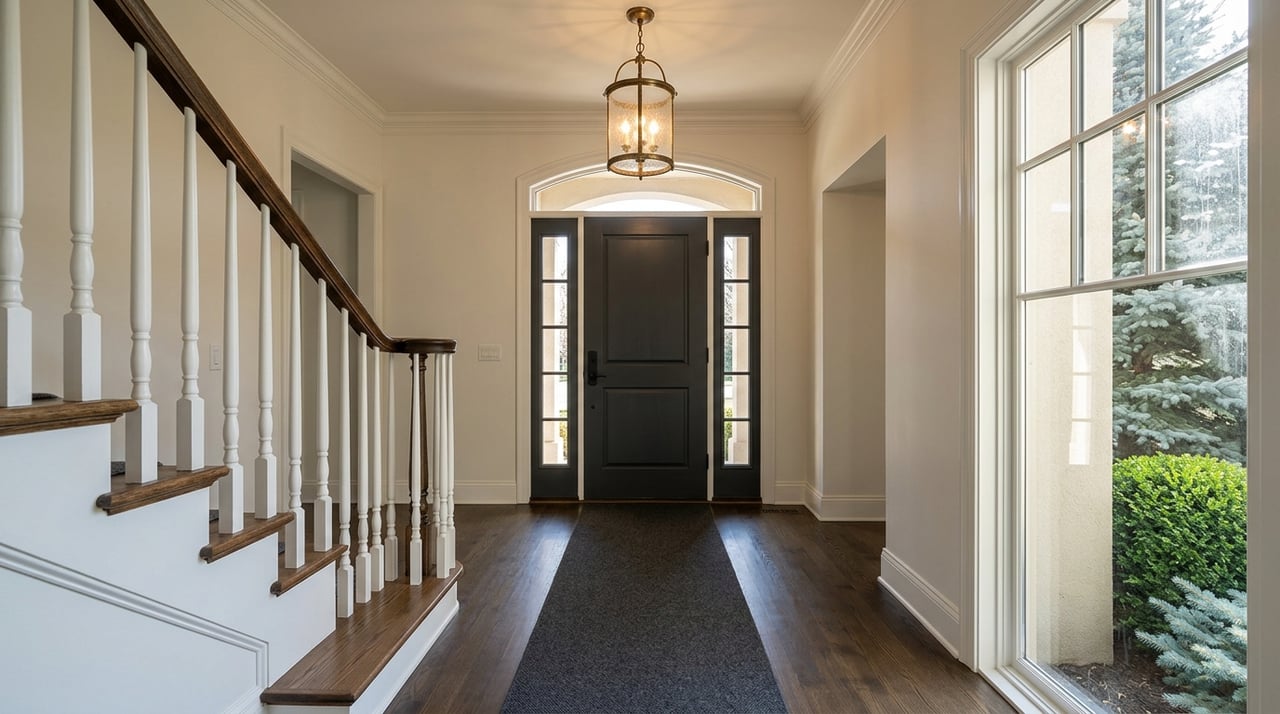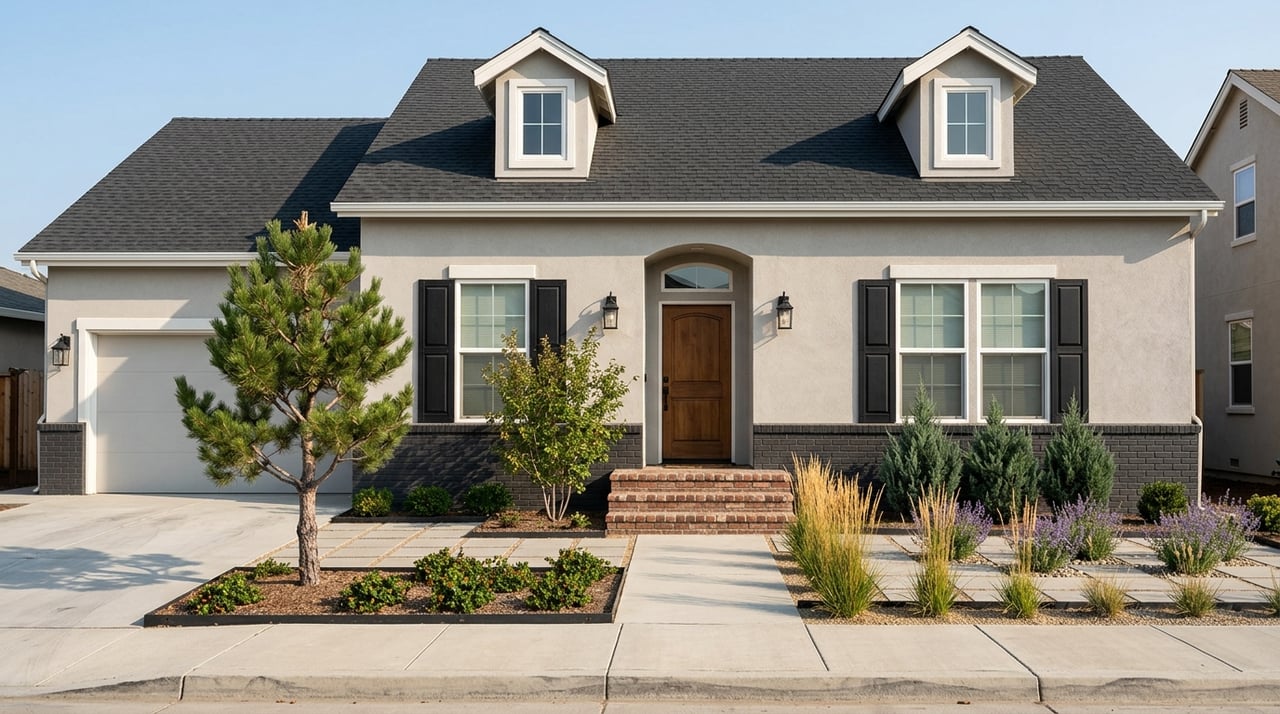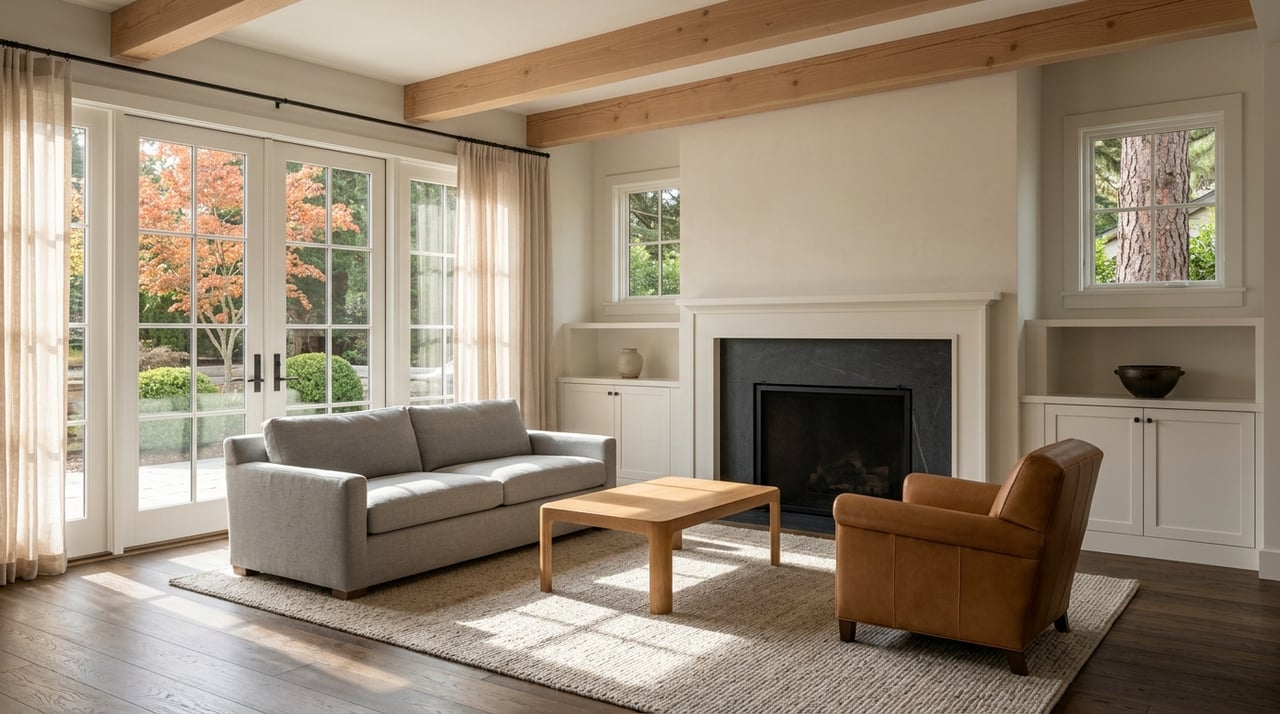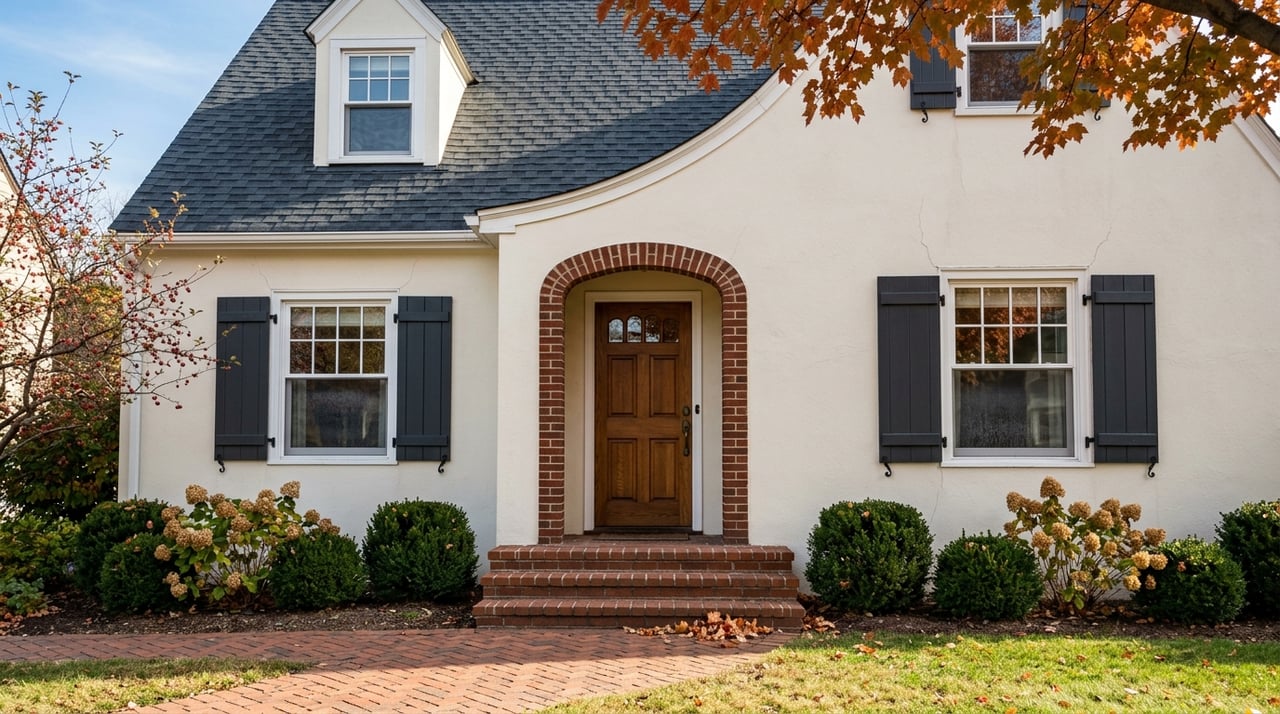
If you are drawn to character homes in east Colorado Springs, Old North End and Patty Jewett can both catch your eye fast. But once you start looking closely, the architecture tells two different stories about streetscape, upkeep, and day-to-day living. This guide will help you understand the main architectural styles in each neighborhood, what visual details to look for, and how those differences can shape your home search. Let’s dive in.
Old North End at a glance
Old North End is identified by PlanCOS as a Historic Neighborhood, which fits how the area tends to feel on the ground. It is visually cohesive, preservation-minded, and shaped by a long period of development tied to Colorado Springs growth after the 1890s Cripple Creek gold boom. The Old North End Historic District nomination identifies a period of significance from 1885 to 1965.
More than 400 homes were built around the turn of the 20th century, with later waves of cottages, bungalows, and postwar houses added over time. That long timeline is why you can see ornate early homes, formal revival styles, and simpler mid-century infill within the same broader neighborhood. Even with that range, the streetscape still reads as intentional and established.
Patty Jewett at a glance
Patty Jewett is classified by PlanCOS as a Traditional Neighborhood, and that description is useful for buyers. The area is older and walkable, but it usually feels more mixed by era and house type than Old North End. Its neighborhood history notes that the southwest portion was already shown as developed in the 1912 City Plan.
The neighborhood association describes Patty Jewett as a diverse collection of homes, businesses, and public spaces within a mature urban forest. Housing ranges from late-Victorian frame houses to Craftsman and Mission styles, with bungalows, one-story ranches, minimal traditional homes, and more modern forms mixed in. In practical terms, that often means more block-by-block variety.
Old North End styles you will see
Old North End has the broadest style range of the two neighborhoods. The historic district nomination lists Italianate, Queen Anne, Stick/Eastlake, Shingle Style, Colonial Revival, Classical Revival, Tudor Revival, Mission or Spanish Colonial Revival, Italian Renaissance, French Renaissance, Prairie School, Bungalow or Craftsman, International Style, Minimal Traditional, and Ranch.
For buyers, the simplest way to read that list is this: Old North End moves from decorative Victorian-era homes to formal early-20th-century revival houses and then into simpler later infill. If you appreciate architecture with strong visual identity, this neighborhood offers a lot to study from one street to the next.
Queen Anne and Victorian details
Some of the most eye-catching homes in Old North End fall into the Queen Anne or Victorian category. These houses often feature irregular rooflines, towers or turrets, bay windows, mixed siding, and broad porches that wrap or stretch across the front.
These details create a layered, highly decorative look. They also tend to make the home feel more formal from the street, especially when paired with mature trees and deeper front setbacks.
Colonial and Classical Revival features
Colonial Revival and Classical Revival homes typically feel more symmetrical and composed. You may notice columns, pediments, Palladian windows, and in some Dutch Colonial examples, gambrel roofs.
If Queen Anne homes feel expressive, these revival styles often feel ordered and balanced. For some buyers, that cleaner symmetry is a major part of the appeal.
Tudor Revival character
Tudor Revival homes are another signature style in Old North End. Common cues include steep gables, decorative half-timbering, elaborate chimneys, and leaded or small-paned windows.
These homes often have a strong sense of presence. Their rooflines and masonry details can make them feel substantial and distinctive without being flashy.
Mission and Spanish Revival elements
Mission and Spanish Colonial Revival homes add a different architectural language to the neighborhood. Look for stucco walls, tile roofs, arches, curving parapets, and ironwork details.
These houses can stand apart from the brick and wood-sided homes around them while still fitting into the neighborhood’s historic mix. They often bring a softer, more sculpted exterior look.
Craftsman and bungalow forms
Craftsman and bungalow homes are common in later early-20th-century development areas. Typical features include low-pitched roofs, broad eaves, exposed rafter tails or brackets, and front porches supported by square or battered columns.
These homes usually feel more grounded and informal than the larger revival or Victorian houses. They are especially important in areas where undeveloped lots were filled in during the 1920s and 1930s.
Prairie, Minimal Traditional, and Ranch homes
Old North End also includes Prairie School influences along with Minimal Traditional and Ranch homes. These styles generally have lower and simpler rooflines, stronger horizontal emphasis, and fewer decorative details.
Ranch homes often include attached garages, while postwar infill in the western and northern blocks brought in more practical, straightforward forms. If you want an older neighborhood setting with a less ornate house style, these homes can be worth watching.
Patty Jewett styles you will see
Patty Jewett has a more mixed neighborhood fabric, which is part of its appeal. Rather than reading as one tightly controlled historic ensemble, it tends to show its age range more openly. Older houses and later infill often coexist on the same block.
The association counts 741 properties, including 267 homes more than 100 years old and 474 homes less than 100 years old. That mix helps explain why the architecture can feel varied from street to street.
Late-Victorian to bungalow mix
In Patty Jewett, you may see late-Victorian frame houses sitting near Craftsman homes, Mission-influenced houses, and classic bungalows. This blend creates a neighborhood feel that is less formal and often more eclectic than Old North End.
For buyers, that can be a plus. You may have more flexibility in the type of home you choose while still enjoying an established central neighborhood setting.
Ranch and minimal traditional homes
Patty Jewett also includes one-story ranches, minimal traditional homes, and modern forms mixed into the older housing stock. These homes often have simpler massing and fewer decorative features than the neighborhood’s earlier houses.
That variety can make the neighborhood feel adaptable and practical. It also means that architectural consistency is usually less important here than overall livability and lot use.
Streetscape and lot patterns matter
Architecture is only part of the story in these neighborhoods. The way homes sit on their lots, relate to the street, and handle garages can change how the entire area feels.
In Old North End, the district is defined by broad north-south avenues, narrower cross streets, landscaped medians, mature trees, uniform 25-foot setbacks, low front fencing or stone walls, and rear alleys. Because garages and carriage houses are often placed behind the homes, the street view tends to emphasize front yards, porches, and architecture rather than vehicles.
Patty Jewett is also generally laid out on a grid and most blocks have alleys and sidewalks. The neighborhood history says homes are relatively modest in size with large back yards, and the southwest portion developed first. Compared with Old North End, this often creates a less formal street presentation and a more flexible everyday living pattern.
What these styles mean for upkeep
Architectural style is not just about appearance. It can also affect maintenance, renovation planning, and how much complexity comes with ownership.
In Old North End, the more ornate homes often have more exterior elements to maintain. Depending on the property, that may include porches, trim, historic windows, masonry or stucco surfaces, and more complex rooflines with multiple intersections.
In Patty Jewett, bungalow, Craftsman, ranch, and minimal traditional homes often have simpler forms. Even so, many are still older homes with aging systems and mixed exterior materials, so condition can vary widely from one property to another.
Remodeling and preservation context
If you are considering changes to a home in Old North End, it is important to understand whether the property is inside the City of Colorado Springs Historic Preservation Overlay. The city states that overlay properties require additional review before construction or modification.
That is not the same as National Register listing by itself. According to the city, National Register status alone does not trigger that review unless the property is also overlay-zoned. For buyers who may want to update or expand a home, that distinction matters.
Helpful words for listings
When you read property descriptions in these neighborhoods, a few terms can help you decode what you are seeing:
- Victorian or Queen Anne: decorative, asymmetrical, porch-heavy, and visually elaborate
- Craftsman bungalow: low roof, broad eaves, porch emphasis, and visible hand-crafted detail
- Period revival: a home borrowing from Colonial, Tudor, Mission, or Spanish design precedents
- Minimal Traditional or Ranch: simpler postwar forms with fewer decorative elements and often more practical garage placement
The more familiar you are with this vocabulary, the easier it becomes to separate style preference from practical fit. That can be especially useful when homes in both neighborhoods compete for your attention.
Choosing between Old North End and Patty Jewett
If you are comparing these two neighborhoods, the architectural difference is usually clear. Old North End often signals more ornate, more preservation-sensitive architecture with a stronger front-yard streetscape. Patty Jewett usually signals a more mixed, modest-scale, and varied housing stock that changes more from block to block.
Neither approach is inherently better. It comes down to whether you are drawn to a more formal historic setting or a more eclectic early-20th-century neighborhood fabric.
If you want guidance that goes beyond listing photos and helps you evaluate architecture, streetscape, and long-term fit, a local advisor can make that process much clearer. To talk through the character and housing patterns of Colorado Springs neighborhoods, book a private consultation with Eric Scott.
FAQs
What architectural styles are common in Old North End Colorado Springs?
- Old North End includes Queen Anne, Victorian-era styles, Colonial Revival, Classical Revival, Tudor Revival, Mission or Spanish Colonial Revival, Craftsman, Prairie School, Minimal Traditional, and Ranch homes.
What architectural styles are common in Patty Jewett Colorado Springs?
- Patty Jewett includes late-Victorian frame houses, Craftsman and Mission styles, bungalows, one-story ranches, minimal traditional homes, and some modern forms.
How is Old North End different from Patty Jewett for homebuyers?
- Old North End generally feels more cohesive and preservation-oriented, while Patty Jewett usually offers a more mixed and modest-scale housing stock with greater block-by-block variety.
What should buyers know about remodeling in Old North End?
- Buyers should confirm whether a property is within the City of Colorado Springs Historic Preservation Overlay, because overlay properties require additional review before construction or modification.
Why do streetscapes feel different in Old North End and Patty Jewett?
- Old North End has broad avenues, landscaped medians, uniform setbacks, and rear alleys that emphasize porches and front yards, while Patty Jewett’s grid layout, sidewalks, alleys, and relatively modest homes often create a less formal street presence.