If you are drawn to Colorado Springs’ westside, Pleasant Valley likely stands out for a reason. It offers a setting that feels established and grounded, with mid-century homes, mature trees, and quick access to one of the city’s most recognized outdoor spaces. If you are considering a move here, or preparing to sell, understanding what gives Pleasant Valley its appeal can help you make a more confident decision. Let’s take a closer look.
Why Pleasant Valley Feels Distinct
Pleasant Valley sits on the west side of Colorado Springs, just south of Garden of the Gods Park. According to the City of Colorado Springs, the neighborhood backs up to the park, with the Water Street and 31st Street area roughly one mile north of US-24 and 1.9 miles west of I-25. That location gives you a strong sense of separation while still keeping larger city connections within reach.
The neighborhood also carries a long local history. The Pleasant Valley Neighborhood Association describes it as one of the area’s earliest residential pockets, with roots near Camp Creek and Fountain Creek just south of Garden of the Gods. That early development pattern still shapes how the area feels today.
Another point worth noting is community structure. The Pleasant Valley Neighborhood Association is a voluntary neighborhood association, not a homeowners association, and it includes both owners and renters. For many buyers, that distinction matters because it helps set expectations about the neighborhood’s organization and governance.
Classic Westside Character
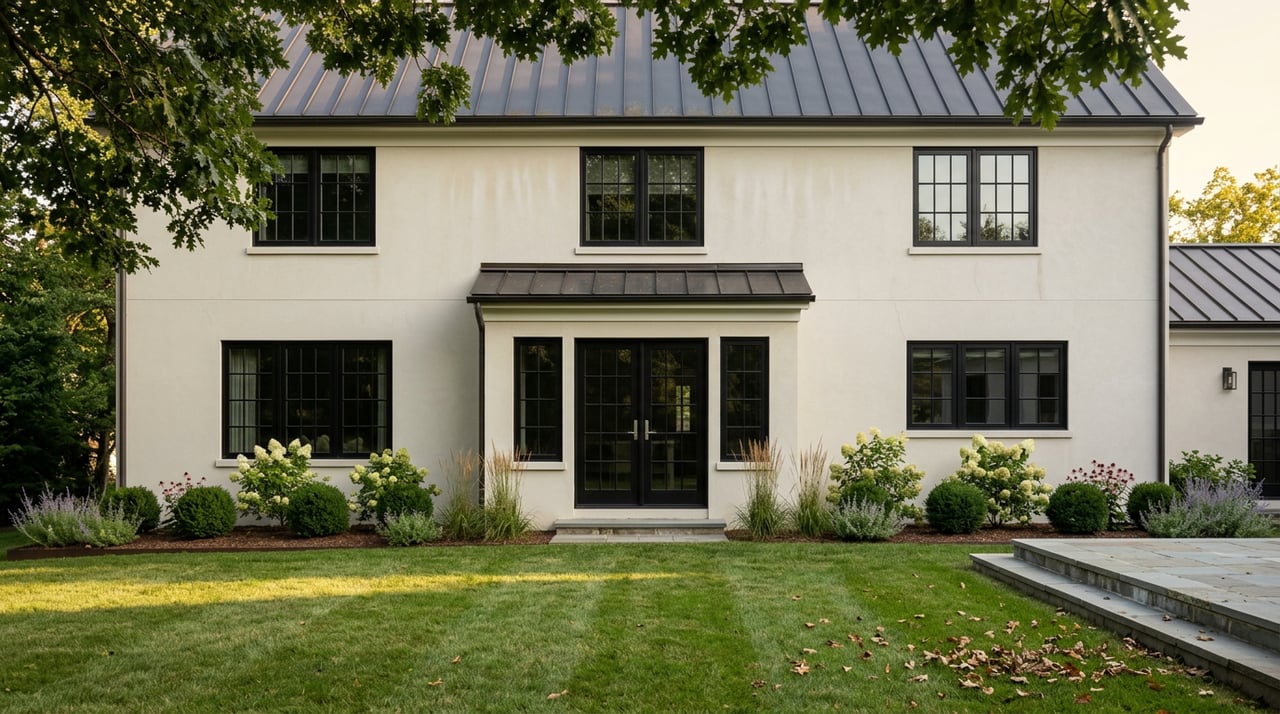
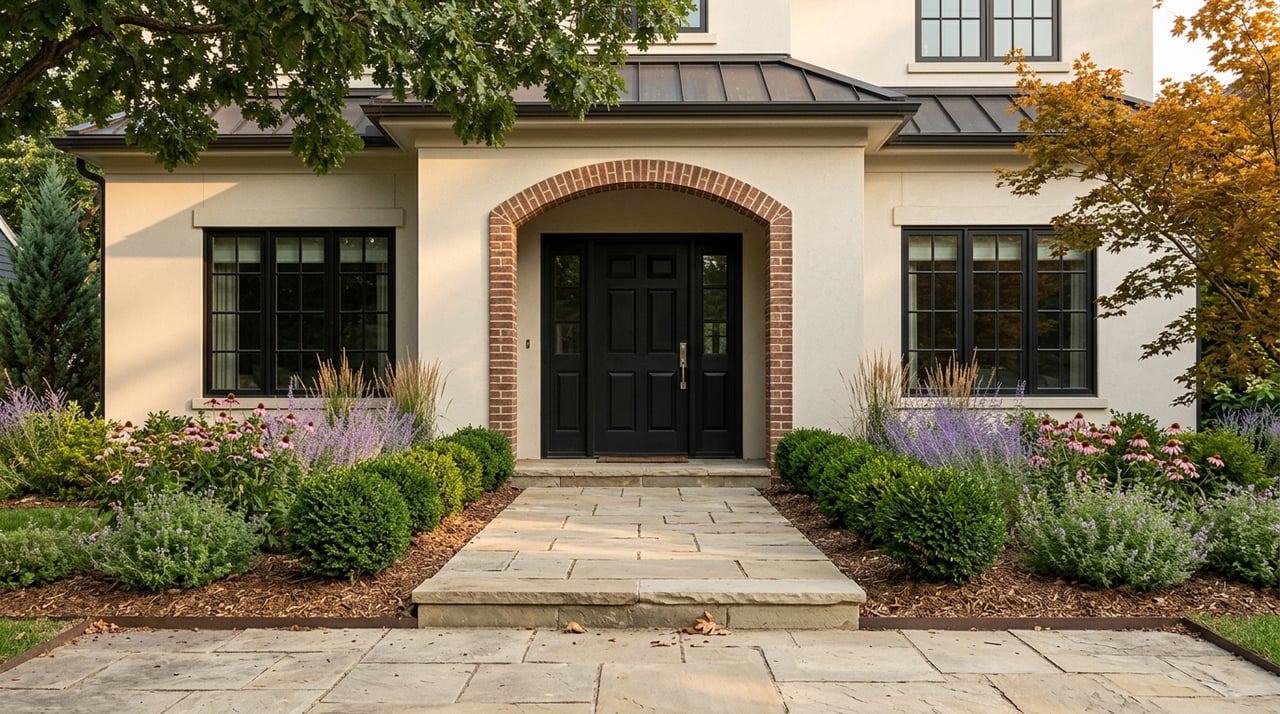
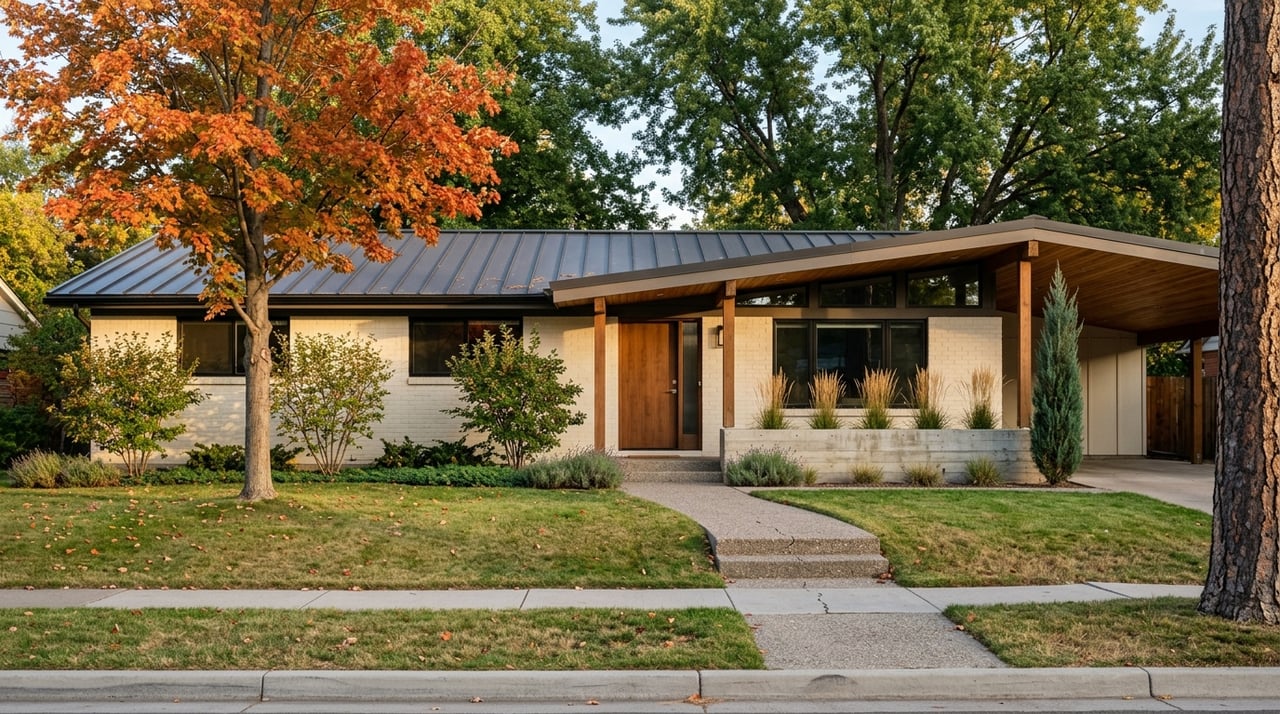
Pleasant Valley’s visual identity is closely tied to its housing stock. The neighborhood association notes that most homes were built in the 1950s and 1960s, with ranch and split-level designs appearing most often. That gives the area a consistent architectural rhythm that many westside buyers actively seek.
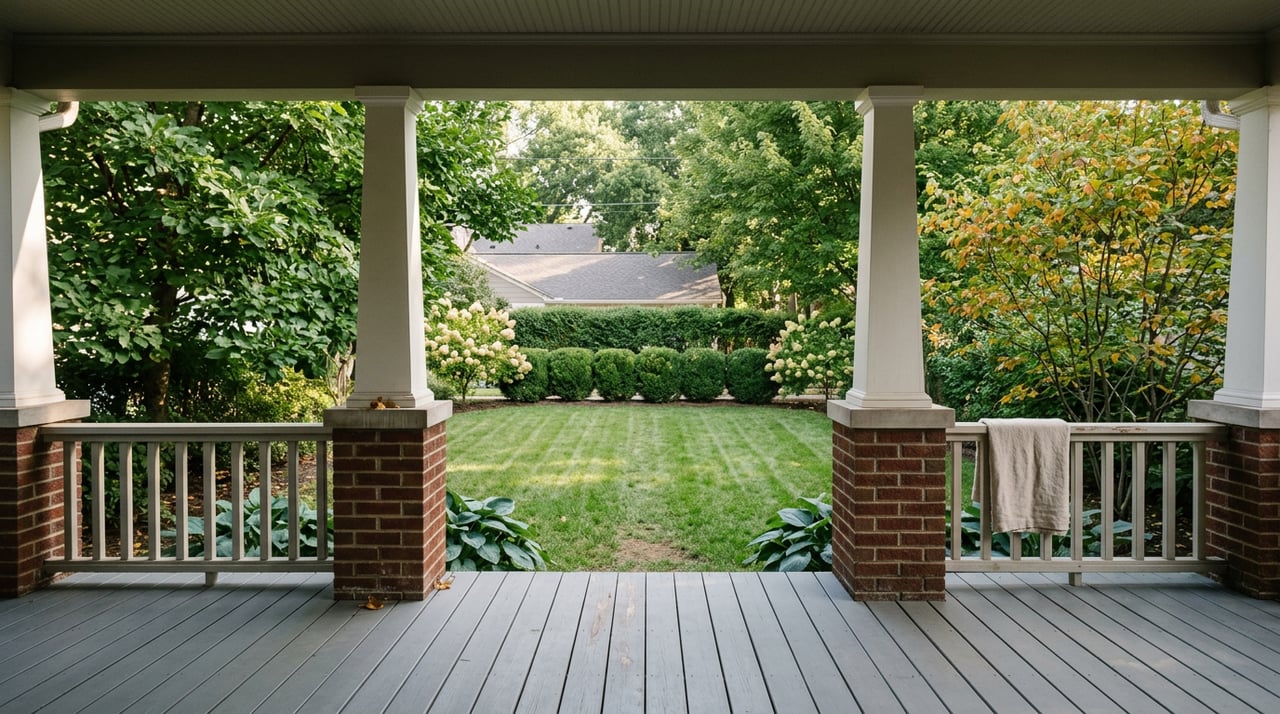
You also see the benefits of an established neighborhood in the landscaping and setting. Mature trees, older lots, and views toward Pikes Peak contribute to a sense of place that feels different from newer subdivisions. The appeal is less about uniformity and more about character.
For buyers who appreciate homes with original lines, practical layouts, and renovation potential, Pleasant Valley can be especially interesting. For sellers, that same character can be a meaningful asset when your home is positioned thoughtfully and marketed with a clear understanding of what westside buyers value.
Garden of the Gods as a Daily Amenity
One of Pleasant Valley’s strongest lifestyle advantages is its direct relationship to Garden of the Gods. The park is a free, city-owned regional park spanning 1,341.3 acres, with paved and unpaved trails, hiking, biking, horseback riding, climbing, and a Visitor and Nature Center. The city also highlights the park’s Pikes Peak views.
That kind of proximity shapes everyday life. Even if you are not planning to spend every weekend on the trails, living near a major outdoor landmark changes how a neighborhood feels. The park becomes part of the backdrop, not just an occasional destination.
For relocation buyers, this is often a major part of the draw. Pleasant Valley offers access to a signature Colorado Springs experience without requiring a mountain drive or a resort-style setting. It is a practical westside location with a strong outdoor connection.
Dining and Shopping Nearby
Pleasant Valley is not defined by a large internal commercial core. Instead, much of its convenience comes from nearby access to Old Colorado City, which Visit Colorado Springs describes as a shopping, dining, and entertainment district with restaurants, breweries, coffee shops, patio dining, and a farmers market.
That matters because it helps explain the neighborhood’s lifestyle balance. You are not necessarily choosing Pleasant Valley because everything is inside the subdivision itself. You are choosing it because recreation and dining are both close at hand.
Visit Colorado Springs highlights several westside favorites in and around Old Colorado City, including Paravicini’s Italian Bistro, OCC Brewing, Front Range BBQ, and Bon Ton Café. For many residents, that nearby corridor adds variety and convenience without changing the quieter residential feel back in Pleasant Valley.
What Walkability Really Looks Like
It is important to describe Pleasant Valley accurately. Redfin gives the neighborhood a Walk Score of 31 out of 100, which it classifies as car-dependent, along with a Transit Score of 25 and a Bike Score of 35. In other words, this is not one of Colorado Springs’ most formally walkable neighborhoods.
That said, the area can still feel convenient because of how close it is to major westside destinations. A better way to think about Pleasant Valley is that it is well located for quick access to outdoor recreation and nearby dining, rather than highly walkable in the strict scoring sense. That distinction helps set realistic expectations.
For some buyers, this is a positive. If you want an established residential setting with access to westside amenities, but you are not prioritizing a dense urban pattern, Pleasant Valley may fit well.
Pleasant Valley’s Market Position
Pleasant Valley occupies an interesting place in the westside market. Realtor.com’s April 2026 market summary shows a median listing price of $450,000, with 62 homes for sale, 80 rentals, a median of 41 days on market, and a median rent of $1,480 per month.
When compared with nearby westside benchmarks, that pricing places Pleasant Valley in the middle of the spectrum. Using the same April 2026 Realtor.com market pages, Old Colorado City shows a median listing price of $375,000, West Colorado Springs also shows $450,000, Broadmoor is at $798,000, and Kissing Camels is at $1,245,000.
That suggests Pleasant Valley is priced above the Old Colorado City benchmark, roughly aligned with the broader West Colorado Springs figure, and well below higher-priced enclaves such as Broadmoor and Kissing Camels. For buyers, that can mean access to westside character and location without entering the city’s top pricing tiers. For sellers, it underscores the importance of pricing against the right competitive set rather than assuming all westside neighborhoods behave the same way.
Why Buyers Look Here
Pleasant Valley tends to appeal to buyers who want a classic westside environment. The neighborhood offers an established feel, recognizable mid-century architecture, and a setting closely tied to Garden of the Gods. Those features create a lifestyle story that is easy to understand and hard to replicate.
It can also appeal to buyers who prefer a home with individuality over a newer, more standardized product. Ranch and split-level homes from the 1950s and 1960s often attract buyers looking for mature lots, familiar floor plans, and the chance to personalize over time.
For relocation buyers, the appeal is often simple. You get a neighborhood with history, outdoor access, and proximity to one of Colorado Springs’ most visited attractions, while still staying connected to the westside dining scene.
What Sellers Should Keep in Mind
If you are selling in Pleasant Valley, the neighborhood’s charm should be presented with clarity and restraint. Buyers are often responding to a combination of location, lot maturity, architectural style, and access to Garden of the Gods and Old Colorado City. Those are the details that help your home compete.
At the same time, Pleasant Valley is not a one-size-fits-all market. Mid-century homes can vary widely in condition, updates, views, lot orientation, and overall presentation. Small differences can have a meaningful impact on buyer response and pricing strategy.
That is where neighborhood-level guidance matters. A measured pricing approach, strong property preparation, and marketing that understands westside buyer priorities can help your home stand out in a way that feels credible and compelling.
The Lasting Appeal of Pleasant Valley
Pleasant Valley’s classic westside charm comes from a mix of qualities that work well together. It has historical roots, recognizable mid-century housing, mature landscaping, and an enviable position next to Garden of the Gods. Add in quick access to Old Colorado City, and you have a neighborhood that feels both practical and distinctly local.
For buyers, that can translate into a more grounded westside option with lasting appeal. For sellers, it creates a clear story about why the neighborhood continues to attract attention. In either case, Pleasant Valley is best understood not as flashy, but as established, convenient, and deeply connected to the westside landscape.
If you are considering buying or selling in Pleasant Valley or anywhere on Colorado Springs’ west side, working with a broker who understands neighborhood nuance can make the process far more productive. To discuss your goals with a local advisor, book a private consultation with Eric Scott.
FAQs
What is Pleasant Valley in Colorado Springs known for?
- Pleasant Valley is known for its westside location, mid-century ranch and split-level homes, mature trees, and close proximity to Garden of the Gods Park.
How close is Pleasant Valley to Garden of the Gods?
- Pleasant Valley sits just south of Garden of the Gods, and the City of Colorado Springs says the neighborhood backs up to the park.
What types of homes are common in Pleasant Valley?
- Most homes in Pleasant Valley were built in the 1950s and 1960s, with ranch and split-level designs being the most common forms.
Is Pleasant Valley a walkable neighborhood in Colorado Springs?
- Redfin classifies Pleasant Valley as car-dependent, with a Walk Score of 31 out of 100, so it is more accurate to describe it as conveniently located rather than highly walkable.
How does Pleasant Valley compare to other westside neighborhoods on price?
- Based on April 2026 Realtor.com market summaries, Pleasant Valley’s median listing price of $450,000 sits above Old Colorado City, aligns with West Colorado Springs overall, and remains well below Broadmoor and Kissing Camels.