Trying to decide between Skyway and Pleasant Valley on Colorado Springs’ west side? You are not alone. These neighboring areas offer different strengths, from hillside privacy to easy‑care yards and straightforward winter access. In this guide, you will learn how the two compare on lots, maintenance, trail access, renovation expectations, and on‑the‑ground touring steps so you can choose with confidence. Let’s dive in.
Skyway and Pleasant Valley at a glance
Skyway and Pleasant Valley are commonly used neighborhood names on the city’s west side. Exact boundaries can vary by source, so confirm the parcel details for any address you are considering before making firm comparisons. City and county GIS tools, local school district boundary lookups, and assessor records help you verify the specifics for a given property.
Buyers usually focus on three things first: lot style, access to recreation, and renovation level. Across these areas, you will see a mix of mid‑century homes and later updates, plus some newer infill. The right fit depends on how much outdoor maintenance you want, whether you value views over level yard space, and how turnkey you need the interior to be.
How to choose: the 7 key factors
- Lot maintenance tolerance. Flat small lots are usually lower effort. Steeper, treed parcels require more upkeep and drainage care.
- Views and privacy vs. usable yard. Hillsides often trade level yard space for privacy and outlooks. Flatter parcels tend to offer more play and gardening area.
- Vintage character vs. turnkey. Mid‑century homes offer character. Newer or renovated homes reduce near‑term projects.
- Trail and recreation priority. Proximity and safe walking routes to trailheads and parks can be a major tiebreaker.
- Renovation budget and timeline. Older systems, roofs, and insulation may need attention. Verify permits and past work.
- Snow and winter mobility. Driveway slope and street grade affect winter access and de‑icing needs.
- Long‑term resale. Well‑maintained lots and convenient recreation access often support future demand.
Side‑by‑side buyer’s view
Use these patterns as a starting point, then verify by address. Conditions vary block by block.
Lot style and slope
- Skyway. Buyers often encounter more hillside or stepped lots in portions of Skyway, which can offer privacy and potential views. Expect retaining structures and more detailed drainage planning on some parcels.
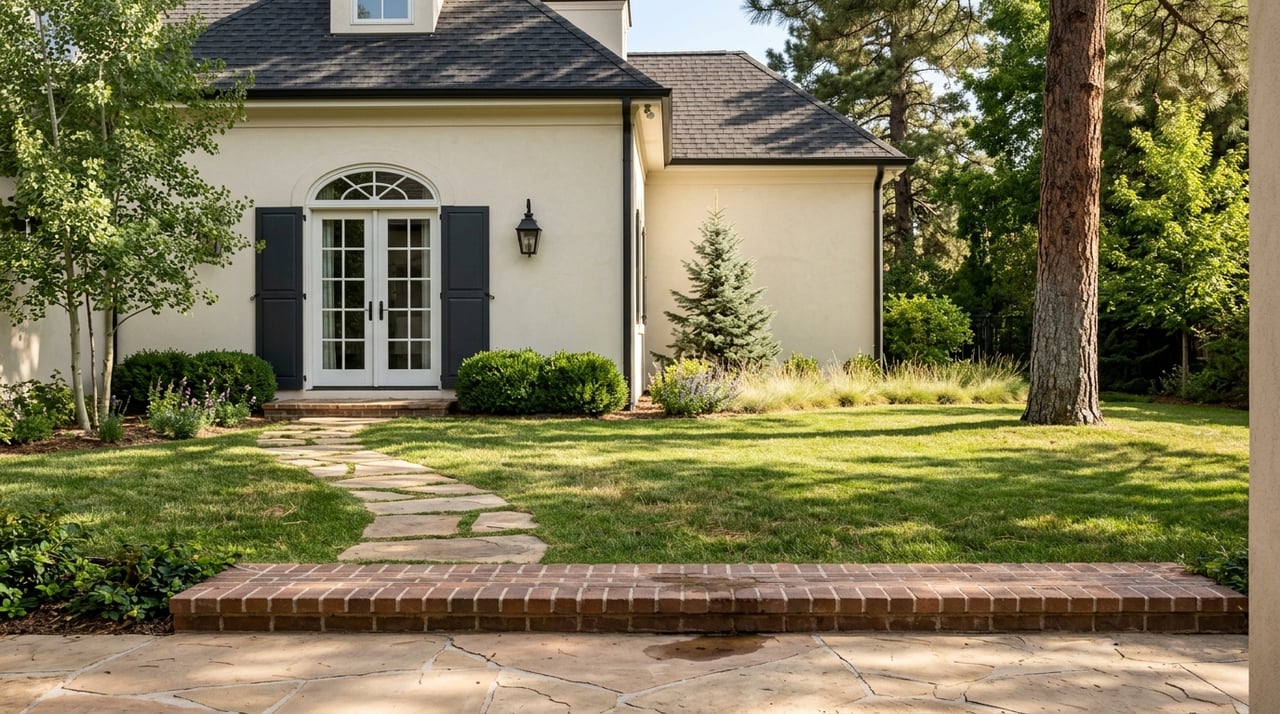
- Pleasant Valley. Many blocks include flatter, more traditional suburban lots, which can simplify landscaping and snow removal. Irregular parcels and corner lots still appear and can change driveway and setback considerations.
Outdoor maintenance profile
- Skyway. Maintenance can be medium to high on steeper or treed parcels. Plan for gutter care, erosion control, and periodic retaining wall evaluation.
- Pleasant Valley. Often lower to medium. Flat yards are easier to mow and landscape, though mature trees still require pruning and leaf management.
Architectural eras and renovation expectations
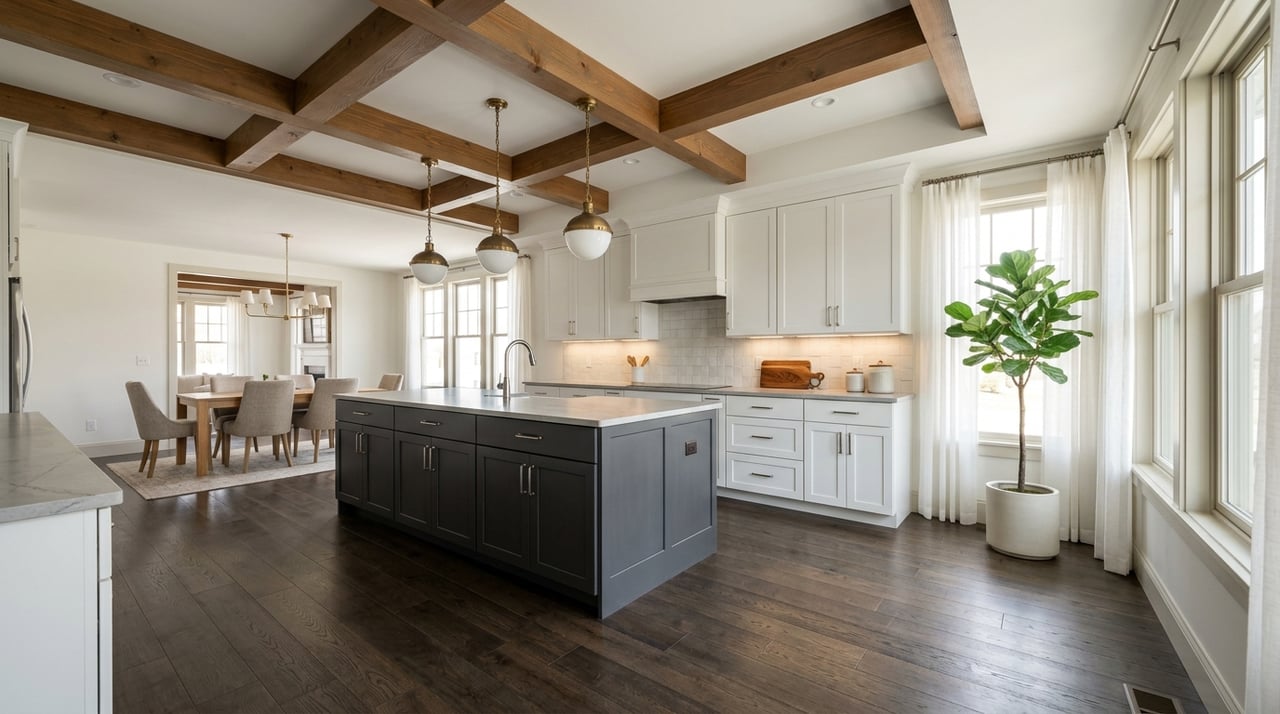
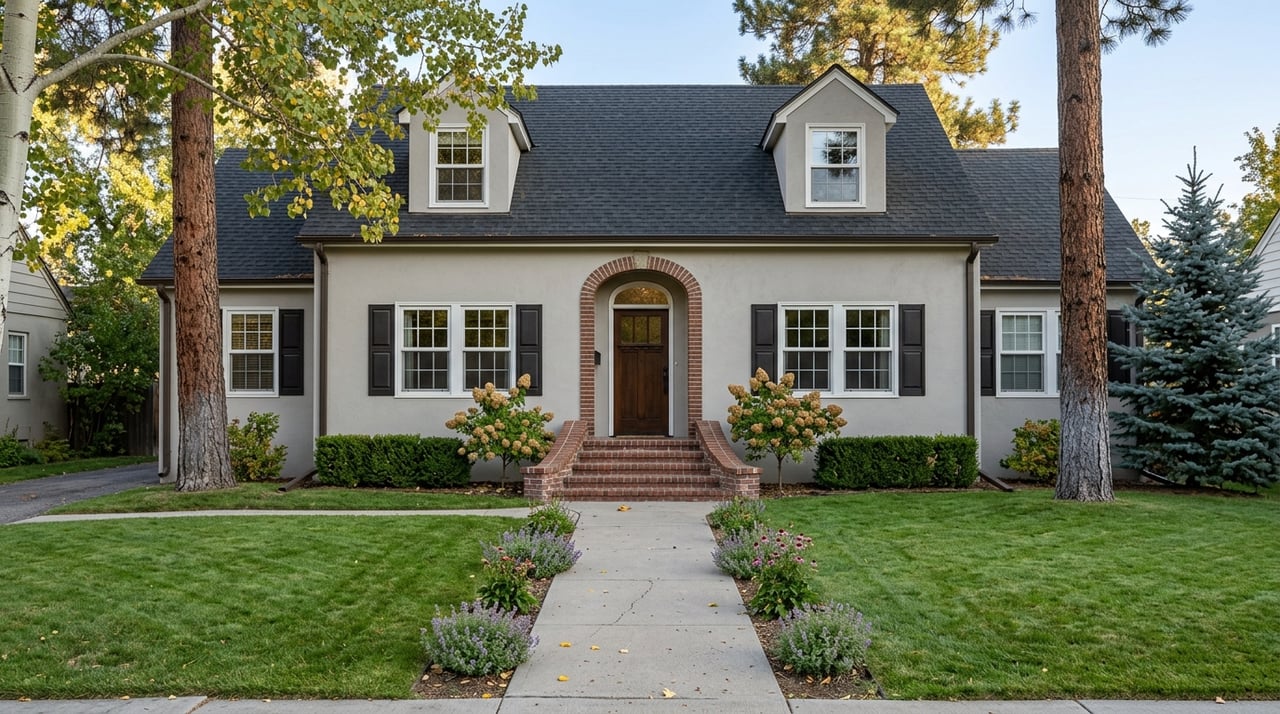
- Both areas. You will find mid‑century to late‑20th‑century homes, plus occasional newer infill. Full basements are common and expand renovation options. Expect that unrenovated homes may need window, insulation, HVAC, and roof updates.
- Siting impact. Sloped lots can limit garage additions or large expansions. Always confirm setbacks, easements, and permit history before planning changes.
Trail access and daily recreation
- Skyway. Many buyers prioritize quick access to west‑side open spaces. The tradeoff can be steeper street grades on approach. Parking conditions at popular trailheads may influence on‑street parking nearby.
- Pleasant Valley. Buyers often favor easy, level walking routes to parks and regional trail connections where present. Still verify sidewalk continuity and safe crossings on your preferred routes.
Winter access and driveway slope
- Skyway. Some streets and driveways are steeper. Expect more frequent de‑icing and cautious winter driving.
- Pleasant Valley. Flatter streets and driveways typically simplify winter mobility. Always test the exact driveway you are considering.
Renovation path
- Skyway. If you accept more ongoing exterior care, you may prioritize indoor upgrades first. Bring a structural engineer if retaining walls show tilt or settlement.
- Pleasant Valley. You may be able to channel more of the budget to interiors and systems, with simpler yard refreshes outside.
Resale lens
- Both areas. Properties with documented system updates, clean drainage, and direct access to parks or trail networks often see stronger long‑term demand. Keep maintenance records and permits on file for future buyers.
What to evaluate on the lot
Focus on the lot first. It is the hardest thing to change.
Flat and gently sloped lots
- Pros. Easier landscaping and play space, simpler irrigation, better winter access, more options for patios and sheds.
- Watch for. Pooling in low spots, mature tree root impacts, and gutter discharge that needs extensions to carry water away from the foundation.
Moderate to steep slope lots
- Pros. Privacy potential, outlooks, and a more natural setting with trees and rock outcrops.
- Watch for. Retaining wall condition, erosion or sediment paths, driveway grade, and north‑facing slopes that hold snow longer. Confirm where stormwater goes during heavy rain.
Systems and structure checklist
Older homes can be great investments when systems are current. Ask targeted questions and document answers.
- Roof age and visible patching. Steeper roofs shed snow well but can face wind exposure.
- Siding condition. Wood needs paint or stain. Stucco may need crack repairs and moisture monitoring.
- Gutters and grading. Confirm downspout extensions, swales, and clean discharge away from the foundation.
- Foundation and basement. Look for efflorescence, prior waterproofing, or water entry. Verify any past repairs.
- Mechanical systems. Ask for age of furnace, AC, water heater, and electrical panel. Check for radon mitigation in homes with basements.
- Utilities. Confirm municipal water and sewer service, or any private systems at edge‑case parcels. Verify providers if remote work speed matters.
Your on‑the‑ground tour plan
Make the most of each showing with a focused route and a short checklist. Bring a notepad and take photos of each item.
Pre‑tour checks
- Pull the county assessor record for build year, lot size, and legal description.
- Review city and regional trail maps to identify the nearest trailheads and parks.
- Check floodplain layers and recent satellite imagery for topography and tree cover.
60–90 minute neighborhood tour
- Walk the block. Note street width, on‑street parking, and sidewalk continuity. Observe overall maintenance on neighboring homes as a context check.
- Walk the lot. Trace water paths from roof to yard to street. Inspect retaining walls for tilt or cracking. Note tree locations relative to the roof and lines.
- Walk to a park or trail. Time the route. Note crossings, signage, and whether the route is comfortable for daily use.
- Test winter logic. If the driveway is steep, imagine snow or ice. Where would you store snow, and how would you treat the slope?
2–3 hour deep dive or inspection follow‑up
- Roofline and gutters. Look for sagging or overflow staining. Confirm downspout extensions.
- Basement or crawlspace. Scan for moisture marks, dehumidifiers, or sump pumps.
- Retaining structures. Check for drainage weeps and soil pressure evidence.
- Water and utilities. Test fixtures for pressure and water temperature recovery. Ask about sewer connection status.
- Records and permits. Request maintenance logs, permits for additions, and any recent professional reports.
A sample walking route to test access
Use this script at any target address to quickly judge daily convenience.
- Start at the front door and set a timer for 10 minutes. Walk in the most direct direction toward the nearest identified park or trailhead.
- Note sidewalk gaps, steep grades, and crossing points. If you encounter busy roads, look for marked crossings.
- Turn around at the 10‑minute mark and return. If you reach the park in under 10 minutes with safe crossings, mark that as a daily‑use win.
- If the route is not ideal, try a parallel street on your next pass to find a safer or flatter option.
Printable showing checklist
Bring this 12‑point list to every Skyway and Pleasant Valley tour:
- Driveway slope and winter access. 2) Street grade and on‑street parking. 3) Sidewalk continuity and crossings. 4) Gutter discharge and yard grading. 5) Signs of erosion or pooling. 6) Retaining wall condition. 7) Mature tree proximity to structures and lines. 8) Roof age and visible wear. 9) Furnace, AC, water heater ages. 10) Electrical panel capacity and labeling. 11) Basement moisture signs or prior mitigation. 12) Walking time to a park or trailhead.
Schools and district lookups
School assignments can shift with boundary adjustments. Instead of relying on neighborhood labels, use the official district boundary tools for the exact property address. Confirm assignments during your due diligence period and re‑check before closing if that is a core decision factor for you.
When to bring in specialists
- Home inspection. Schedule a licensed inspector for a full systems review.
- Structural engineer. Bring one in if you see wall tilt, settlement, or notable grading concerns.
- Arborist. Useful when large trees overhang the home or appear stressed.
- Civil or landscape engineer. Helpful if you plan additions on a sloped parcel or see complex drainage patterns.
Which neighborhood fits you best
- Choose Skyway if you value privacy, outlooks, and trail proximity and you are comfortable managing hillside maintenance and winter slope strategies.
- Choose Pleasant Valley if you prefer flatter yards, simpler landscaping, and straightforward winter access, and you still want quick connections to west‑side amenities.
- Choose either if you want mid‑century character with modern upgrades. Look for homes with documented systems, insulation, window replacements, and roof updates.
Next steps
Your best decision comes from seeing lots and routes in person, then pairing that insight with a clear plan for maintenance and upgrades. If you want a guided, street‑level comparison and a short list of properties that match your priorities, reach out for a private tour plan and vetted vendor introductions.
Ready to narrow your search with a calm, data‑smart approach? Connect with Eric Scott to book a private consultation tailored to Skyway and Pleasant Valley.
FAQs
What are the main differences between Skyway and Pleasant Valley?
- Skyway often includes more hillside parcels that trade yard space for privacy and outlooks, while Pleasant Valley frequently offers flatter lots and simpler winter access, though conditions vary by block.
How should I evaluate lot maintenance for west‑side homes?
- Start with slope, tree density, and drainage. Flat lots are usually lower maintenance, while sloped, treed parcels require ongoing gutter, grading, and retaining wall attention.
What renovation items commonly come up in these areas?
- Expect to verify roof age, windows, insulation, HVAC, electrical panels, and basement moisture management, especially in mid‑century homes.
How do I confirm school assignments for a specific address?
- Use the official district boundary lookup for the exact parcel rather than relying on neighborhood names, and re‑confirm during your contract period.
What is the best way to test trail and park access before buying?
- Time a round‑trip walk from the home to the nearest park or trailhead, note crossing safety and sidewalk continuity, and try alternate routes to compare comfort.
Who should I bring if I’m unsure about slope or trees on the property?
- Schedule a structural engineer for retaining or foundation concerns and an arborist for large or complex tree conditions. A licensed home inspector should cover overall systems.