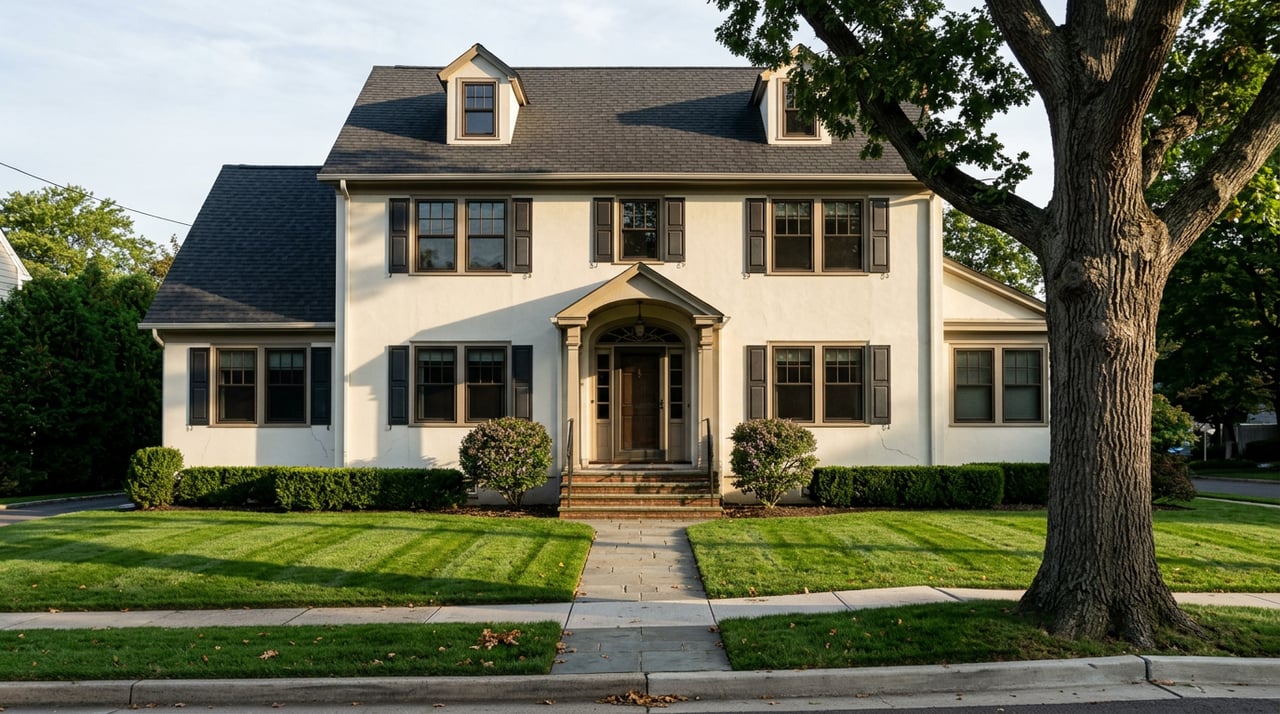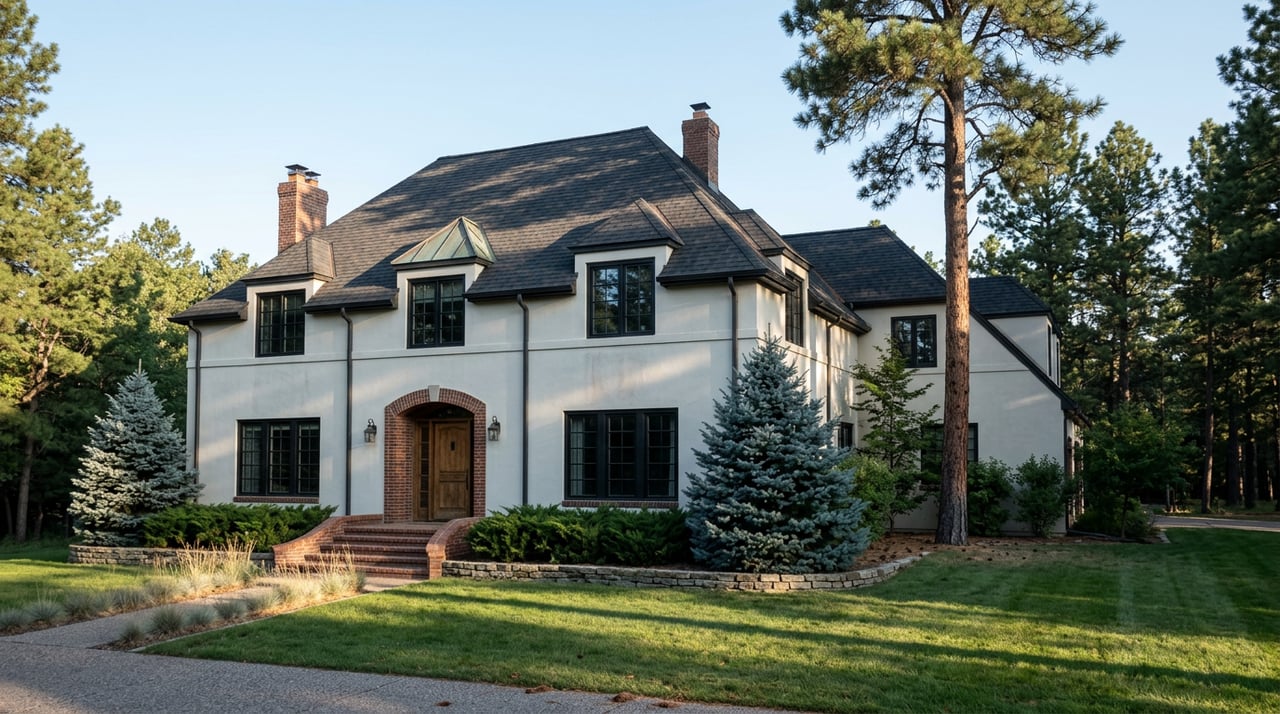
Eyeing a Briargate home that might push past “typical” loan sizes? You are not alone. Many move-up and luxury buyers in north Colorado Springs find that the mortgage they need could be classified as a jumbo. In this guide, you will learn what triggers a jumbo in El Paso County, how lenders evaluate these loans, what it can mean for your rate and costs, and how to prepare a strong application. Let’s dive in.
What makes a loan jumbo
A loan becomes jumbo when the loan amount exceeds the Federal Housing Finance Agency (FHFA) conforming loan limit for El Paso County for the relevant unit count. Conforming loans meet FHFA size rules and are eligible for purchase by Fannie Mae or Freddie Mac. Jumbo loans are non-conforming and are financed by banks, portfolio lenders, credit unions, and private investors.
Unit count matters. FHFA sets different limits for 1–4 unit properties. If you finance a 2‑unit property, you must use the 2‑unit limit. Once your loan amount is above the county limit for that unit count, the loan is jumbo.
El Paso County limits: how to verify
FHFA updates conforming loan limits each year. Always confirm the current number before you write an offer or structure financing. You can verify the latest county limit on the FHFA’s official conforming loan limits page and lookup tool. Start here: the FHFA page for conforming loan limits.
El Paso County, which includes Colorado Springs and Briargate, has historically aligned with the national baseline rather than the higher “high‑cost” ceiling. That can change when FHFA updates classifications. Check the current limit for 1‑unit through 4‑unit properties before you decide on a financing path.
Quick local example
- Suppose you are buying a Briargate home for $900,000 with 20% down. Your loan amount would be $720,000. If the El Paso County 1‑unit conforming limit is lower than $720,000, your loan is jumbo. If it is higher, your loan can be conforming.
- For a 2‑unit purchase, compare your loan amount to the 2‑unit limit instead. Multi‑unit limits are higher, so some buyers can stay conforming with the right structure.
If you want to compare other programs, HUD publishes FHA county limits, which are separate from FHFA’s conforming limits. You can check FHA figures using the HUD county loan limit lookup.
How jumbo underwriting differs
Jumbo loans are not eligible for purchase by Fannie Mae or Freddie Mac, so lenders set more of the rules. Expect tighter credit standards, more documentation, and larger reserves.
Credit, income, and debt ratios
- Credit scores: Many lenders look for 700–740+ for best pricing. Some accept lower scores with larger down payments or higher reserves.
- Debt‑to‑income ratio: 43% or lower is common for jumbos. Exceptions may be possible with strong compensating factors.
Down payment and loan‑to‑value
- Primary residence: 10–20% down is common, with best pricing often at 20% or more.
- Second homes and investment properties: Usually need larger down payments and have stricter terms.
- PMI: Some jumbo products avoid PMI and instead require higher down payments. PMI availability varies by lender.
Cash reserves
- Plan for larger reserves than conforming loans. Many lenders want 6–12 months of principal, interest, taxes, and insurance for primary residences, and more for second homes or investment properties.
Appraisals and property type
- Full interior and exterior appraisal is required. For higher‑value or unique homes, a second appraisal or review is common.
- Nonstandard properties, acreage, or custom builds can face closer scrutiny and longer timelines.
Documentation checklist
Prepare these items early to keep your jumbo financing on track:
- Recent pay stubs covering 30 days
- W‑2s for the last 2 years (or 2 years of full tax returns if self‑employed, plus year‑to‑date P&L and balance sheet as requested)
- 2–3 months of bank and asset statements, with explanations for large deposits
- Government‑issued ID
- A fully underwritten preapproval from a lender that actively offers jumbo loans
Rates and costs: what to expect
Jumbo rates often carry a modest premium compared with conforming loans because they do not benefit from the Fannie/Freddie guarantee. The spread changes with market conditions and investor demand. Strong credit, lower loan‑to‑value, and larger reserves typically reduce the premium.
Pricing also varies by loan size, occupancy, fixed versus ARM, term length, and features like interest‑only. Because small pricing differences on large balances add up, get written Loan Estimates from multiple lenders that specialize in jumbos. The CFPB’s guide to the Loan Estimate can help you compare.
Hypothetical payment example
These are illustrative figures for principal and interest only. Taxes, insurance, and HOA are not included.
- $1,000,000 loan at 6.5% for 30 years: about $6,320 per month
- $1,000,000 loan at 8.5% for 30 years: about $7,690 per month
That 200‑basis‑point difference is roughly $1,370 per month, or about $16,000 per year. On high balances, shopping your rate and structure can have a major impact.
Briargate buyer tips
- Get preapproved before touring. Sellers of higher‑price homes want to see strong financing in place, especially if a second appraisal or longer underwriting is likely.
- Plan your timeline. Appraisal scheduling for custom or view homes can take longer. Build this into contract dates.
- Consider structure options. If you are near the conforming limit, a larger down payment or a different unit count could keep the loan conforming. If you are above the limit, compare jumbo products from multiple lenders.
- Understand long‑term costs. Higher‑value homes may have higher taxes and insurance. You can review tax data through the El Paso County Assessor’s Office.
For Colorado resources and consumer guidance, you can also visit the Colorado Division of Real Estate’s consumer resources and the Pikes Peak Association of REALTORS® market information for local context.
Your step‑by‑step plan
- Verify the current FHFA conforming loan limit for El Paso County for your unit count using the FHFA conforming limits page.
- Get fully underwritten preapprovals from two or more lenders that actively underwrite jumbo loans.
- Prepare documentation and confirm you meet reserve requirements for your target price point.
- Align your search with local pricing. In Briargate and north Colorado Springs, many move‑up and luxury listings can exceed the conforming limit depending on the year’s ceiling. Ask your agent for current neighborhood sales data before offering.
- Compare Loan Estimates line by line. Look at rate, points, lender fees, appraisal charges, and prepaids.
Ready to move forward with clarity in Briargate or north Colorado Springs? You will have a smoother path if you confirm the current county limit, prepare your documents, and work with a team that understands jumbo financing and local market dynamics.
If you would like a discreet, data‑driven plan for your next move, connect with Eric Scott for a private consultation.
FAQs
What is a jumbo loan in El Paso County?
- A jumbo is any mortgage with a loan amount above the FHFA conforming limit for El Paso County for the relevant unit count. Verify the current limit on FHFA’s conforming loan limits page.
How much down payment do I need for a jumbo in Briargate?
- Many jumbo programs require 10–20% down for primary residences, with best pricing often at 20% or more; second homes and investment properties usually require larger down payments.
Are jumbo rates much higher than conforming rates?
- Jumbos often carry a modest premium that changes with market conditions; strong credit, lower LTV, and larger reserves can narrow the gap, so it pays to shop lenders.
Do jumbos require more cash reserves?
- Yes. Many lenders ask for 6–12 months of principal, interest, taxes, and insurance for primary residences, and more for second homes or investment properties.
Can I get a jumbo if I am self‑employed?
- Yes. Expect to provide two years of tax returns and possibly a year‑to‑date profit and loss and balance sheet, along with bank statements verifying asset reserves.
Are Colorado jumbo rules different from other states?
- Core concepts are similar nationwide, but lender overlays and state requirements can vary, so confirm requirements with Colorado‑licensed lenders familiar with El Paso County.