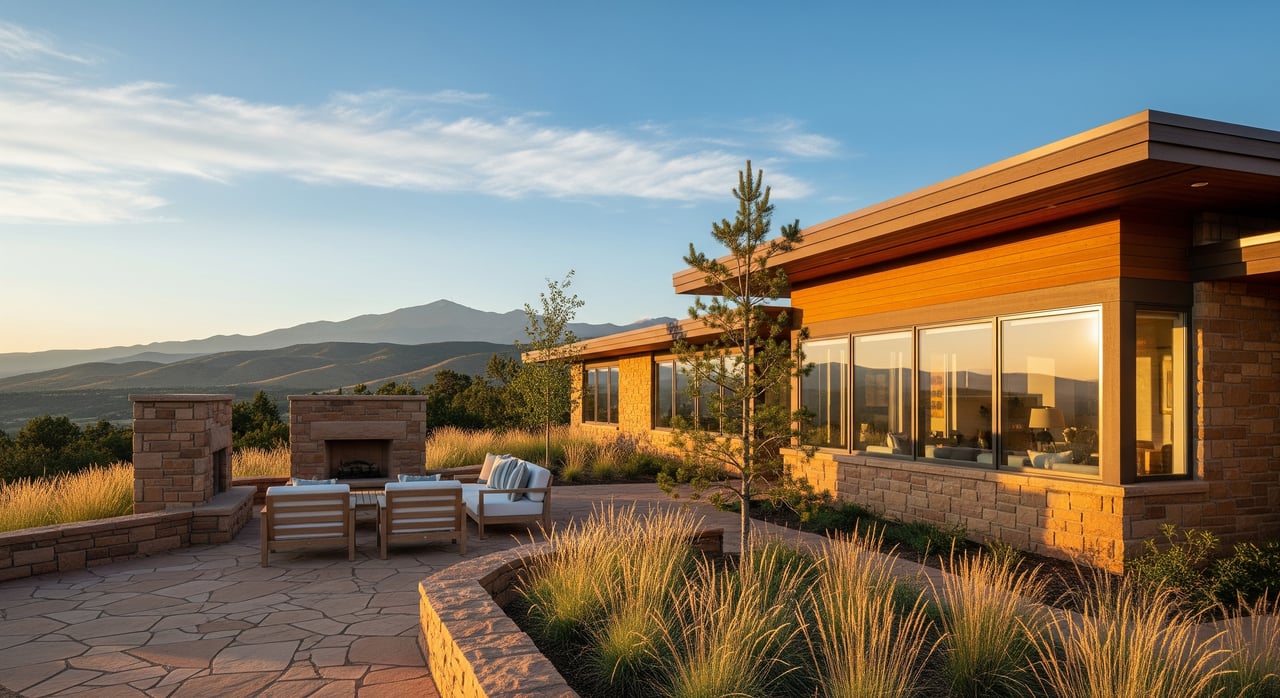
If you love the idea of foothills views with easy city access, Rockrimmon belongs on your shortlist. You will find established streets that meet the open space edge, sloped lots with walkout basements, and everyday amenities just a short drive away. This guide walks you through the terrain, trails, commutes, housing styles, and buyer to-dos so you can decide if Rockrimmon fits your lifestyle. Let’s dive in.
Where Rockrimmon sits
Rockrimmon is in the northwest–north central portion of Colorado Springs within El Paso County. It sits where built neighborhoods meet the eastern foothills of the Front Range, giving many streets a quiet, natural feel.
The city’s elevation ranges around 6,000 to 6,500 feet. You should expect thinner air, stronger sun, and seasonal snow. The high-altitude climate can mean great solar potential and crisp, dry days most of the year.
Topography and lot types
Homes here adapt to rolling and sometimes steep terrain. As the neighborhood rises toward the foothills, you see more ridge-top properties and walkout basements. Valley and creekside parcels offer flatter yards and easier driveway grades.
Sloped lots and walkouts
On sloped parcels, walkout basements are common and can add livable square footage with natural light. Elevated decks and terraces take advantage of views. Larger hilltop parcels exist in select pockets, while most streets offer modest to medium lot sizes typical of late 20th-century subdivisions.
Drainage and winter access
Drainage and grading matter on hillsides. When touring, look for retaining walls in good condition, clear pathways for water runoff, and signs of erosion control. Steeper driveways and streets can affect winter access and may require proactive snow removal.
Sun, shade, and views
Orientation plays a big role in day-to-day comfort. West-facing lots often catch evening light and foothills views. Roof angle and exposure can improve passive solar gain and support future solar planning.
Trails and open space access
Rockrimmon places you close to neighborhood paths and larger foothills trail systems that draw hikers, trail runners, and mountain bikers.
Everyday trail access
Some streets end near trailheads, while others are a short walk or drive from access points. Multi-use corridors are common, so plan for shared use with cyclists, hikers, and dog walkers. Local trail etiquette and seasonal notices help keep routes safe for everyone.
Seasonal tips
Winter can add snow and ice to shaded segments, and summer brings long daylight for evening loops. During high fire years, you may see temporary closures that balance recreation with safety.
Getting around and commute patterns
Interstate 25 is the primary north–south corridor for Colorado Springs and the link to Denver. Rockrimmon connects to I-25 through nearby arterial roads, with exact access depending on the specific address.
Commute timing
Drives to major employment areas, including the local Tech Center and downtown, commonly fall in the 15 to 35 minute range depending on time of day and route. Traffic during peak periods can extend those times. Trips to the Denver metro are longer, generally 1 to 1.5 hours or more.
Transit and biking
Mountain Metro Transit provides bus service across the city, though coverage in hillier, lower-density areas can be limited. If transit matters to you, check current route maps and schedules for your address. Active commuters can reach some central corridors by bike, but the topography makes longer daily rides better suited to experienced cyclists.
Homes and architectural eras
You will see a blend of mid-to-late 20th-century suburban styles and newer infill in select spots. Ranch, split-level, and raised ranch formats are common, often with multi-level floor plans that match the slope.
Typical features
Basements are standard in many homes. Attached garages, decks or terraces, and layouts that frame views are typical. Remodeling is common as owners update kitchens, baths, windows, and outdoor living spaces.
Renovation considerations
Older homes can offer attractive entry points but may need modernization to meet current energy expectations. On steeper lots, expansions can be more complex, and substantial retaining structures or grading may require engineering review.
HOAs and property rules
Some streets fall within homeowner associations with covenants. Others do not. HOA dues, landscaping rules, and exterior design guidelines can influence your plans for additions, RV parking, or accessory units. Always verify rules before committing to a project.
Amenities and daily living
Everyday needs like retail, groceries, and medical offices are a short drive away along nearby commercial corridors and near I-25 interchanges. Exact proximity depends on your specific location within Rockrimmon.
Schools are assigned by parcel. Boundaries and options can change, so verify attendance zones with the relevant school districts and El Paso County records. Healthcare access is straightforward, with hospitals and urgent care facilities reachable within typical city drive times.
Lifestyle tradeoffs
Rockrimmon appeals to buyers who want foothill ambiance without being far from city services. It also comes with a few practical considerations.
Pros
- Immediate access to trail networks and open space.
- Potential for foothills views and evening light, especially on west-facing lots.
- Quieter streets and, in some areas, larger parcels than dense infill neighborhoods.
Considerations
- Commutes to southeast or distant employment centers can be longer than from more central neighborhoods.
- Steeper driveways and streets may require more winter preparation.
- Proximity to open space increases wildfire exposure and may affect insurance and home-hardening needs.
- Public transit can be limited in lower-density, hillier pockets.
Wildfire and environmental context
Living near the foothills brings natural beauty along with higher wildfire exposure than lowland suburbs. Verify whether a specific address lies within the Wildland-Urban Interface and review any defensible-space or brush-clearance requirements. Ember-resistant vents, non-combustible landscaping near the structure, and regular vegetation management support long-term resilience.
Who Rockrimmon fits best
This neighborhood suits outdoor-focused buyers who value trail access, scenic settings, and established suburban streets. It also works well if you want a balance of privacy and proximity to the city’s main corridor.
If you need a very short or transit-dependent commute to employment centers far from the northwest side, or if you prefer fully level lots and minimal winter driving, you may want to compare Rockrimmon with flatter, more central neighborhoods.
Buyer checklist for Rockrimmon
Use this list to structure your due diligence and avoid surprises:
Schools and boundaries
- Verify attendance zones with the local school district and El Paso County records.
Utilities and connectivity
- Confirm water and sewer provider. Some areas use municipal services while others may be served by special districts.
- Test internet and mobile coverage at the property. Terrain can affect service quality.
Site and structure
- Review drainage and grading, the condition of retaining walls, and evidence of past slope movement.
- Inspect basement waterproofing, foundation condition, and crawlspaces where applicable.
- Evaluate driveway grade for winter accessibility and parking usability.
- Check roof age and orientation if you are considering solar.
Wildfire preparation
- Verify WUI designation, local brush-clearance rules, and insurance availability and cost.
- Look for defensible space, ember-resistant vents, and non-combustible zones near structures.
Zoning, covenants, and HOAs
- Request CC&Rs, HOA rules, and recent meeting minutes if applicable.
- Confirm what is allowed for additions, exterior changes, RV or boat parking, and any accessory dwelling plans.
Commute and transit
- Drive your commute during peak hours to the places you will go most often, such as the Tech Center or downtown.
- Check Mountain Metro Transit routes and schedules if you plan to use public transit.
Taxes and ongoing costs
- Review El Paso County property tax rates, special district assessments, and any HOA dues.
Next steps
If the foothills lifestyle calls to you, your next move is to tour homes that match your elevation comfort, commute needs, and lot preferences. A local, hands-on advisor can help you weigh tradeoffs like slope, drainage, wildfire mitigation, and renovation scope so you buy with confidence.
For private guidance and a curated search tailored to Rockrimmon and nearby premium neighborhoods, connect with Eric Scott. You will get clear advice, vetted vendor referrals, and a smooth plan from offer to closing.
FAQs
What should relocation buyers know about Rockrimmon’s elevation?
- Colorado Springs sits around 6,000 to 6,500 feet, so expect thinner air, stronger sun, and seasonal snow that can affect driveways and shaded trails.
How long is the commute from Rockrimmon to downtown Colorado Springs?
- Typical drive times commonly range from about 15 to 30 minutes depending on route and traffic, with peak periods extending travel time.
Are public transit options robust in Rockrimmon?
- Mountain Metro Transit serves the city, but coverage in hillier, lower-density areas can be limited; check current routes and schedules for your address.
What home styles and eras are most common in Rockrimmon?
- You will see mid-to-late 20th-century homes such as ranch, split-level, and raised ranch, plus select pockets of newer infill and remodeled properties.
How should I evaluate wildfire risk for a Rockrimmon property?
- Verify any Wildland-Urban Interface designation, review defensible-space rules, and discuss insurance, vents, landscaping, and mitigation steps during due diligence.